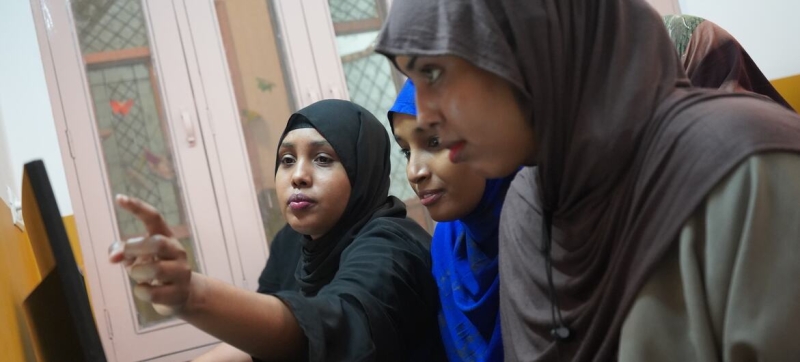

© UNHCR/P. Jain Misinformation and hate speech often target women. AI-generated disinformation poses a particular threat to refugees Refugees and Migrants
Artificial intelligence is fueling the spread of disinformation, hate speech, and deepfakes, which are increasingly causing real harm to refugees and aid workers. The Office of the United Nations High Commissioner for Refugees (UNHCR) warned about this during the AI for Good summit, which takes place in Geneva.
UNHCR emphasized that refugee protection issues should become an integral part of international efforts to regulate artificial intelligence. According to the agency, it is necessary to improve content moderation tools, including in the context of humanitarian situations and in materials published in less common languages, as well as create clear mechanisms for protecting against manipulation.Major crises associated with forced population movements are increasingly accompanied by information crises. False information, accusations, finger-pointing and dehumanizing rhetoric can limit refugees’ access to jobs, education and services, undermine social cohesion and even provoke violence.
The agency stressed that freedom of expression is a fundamental human right. However, this is not about limiting public debate on migration and asylum, but about countering dangerous disinformation that can threaten people’s lives. According to UNHCR, smugglers and traffickers use digital platforms to spread false information, promising safe routes, legal migration routes or jobs, thereby luring people into dangerous situations.Cases of dissemination of false and hostile materials directed against UNHCR staff and their activities have also become more frequent. This trend poses threats to the safety of aid workers, impedes the delivery of assistance and can negatively impact the funding of humanitarian programmes.
According to UNHCR, 93 percent of staff have experienced disinformation, misinformation or hate speech that interfered with the implementation of the organization’s humanitarian mandate. Women are especially often targeted in such attacks, both among employees and among refugees. The use of generative artificial intelligence only amplifies these threats, including through the creation of deepfakes.
One example was the situation in Libya, where a wave of hate speech and dangerous disinformation provoked hostility towards refugees and threatened the safety of UNHCR staff and their partners.
UNHCR’s practical measures
UNHCR notes that countering disinformation requires broad cooperation. For example, with support from Switzerland, the agency created the Community for Information Integrity in Humanitarian Settings and continues to work with states and technology companies. The Information Integrity Response Toolkit developed by UNHCR is already helping approximately two thousand specialists conduct risk assessments and work with local communities.