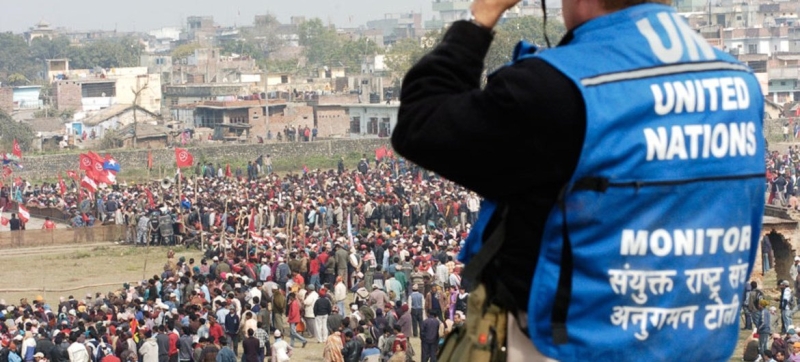

UN Photo Observer of the UN Mission in Nepal, whose activities have now been completed. Invisible peacekeepers: how UN political missions have been helping prevent wars for almost 80 years UN
When it comes to the work of the UN, people most often think of peacekeepers in blue helmets. However, there is another, much less visible tool for maintaining peace – special political missions. They do not have armored vehicles or armed units. Their main weapons are negotiations, mediation and diplomacy.
It is these missions that are the subject of the first-ever comprehensive review prepared by the UN Department of Political and Peacebuilding Affairs. The document covers eight decades of work – from 1948 to 2025 – and shows how the Organization’s role has changed along with a changing world.
“Special political missions are at the heart of the UN’s efforts to unite countries in the pursuit of peace,” UN Under-Secretary-General for Political and Peacebuilding Affairs Rosemary DiCarlo writes in the foreword. According to her, they embody the original promise of the Organization – to prevent conflicts and maintain international peace and security.The first such mission appeared almost immediately after the creation of the UN. In May 1948, the General Assembly appointed Swedish diplomat Count Folke Bernadotte as UN mediator in Palestine. This marked the first official time that the Organization sent a special mediator to resolve an armed conflict. From that moment on, diplomatic mediation became one of the most important tools of the UN.
Today, special political missions work in completely different ways. Some help lead peace negotiations, others monitor the implementation of ceasefire agreements, while others demarcate borders, investigate serious violations or support political reforms. They have one thing in common: they are all civilian missions and work primarily through dialogue.
Helping a country become a state
An example of an impressive history of political missions was helping Libya on the path to independence.
In the late 1940s, the country, which was an Italian colony from 1911 to 1942, and before that was part of the Ottoman Empire, was divided, using different currencies and administrative systems. The UN commission helped overcome political differences, prepare a constitution, form an interim government, create a unified financial system and train civil servants.
Two years later, Libya became the first country to gain independence with direct support from the UN.
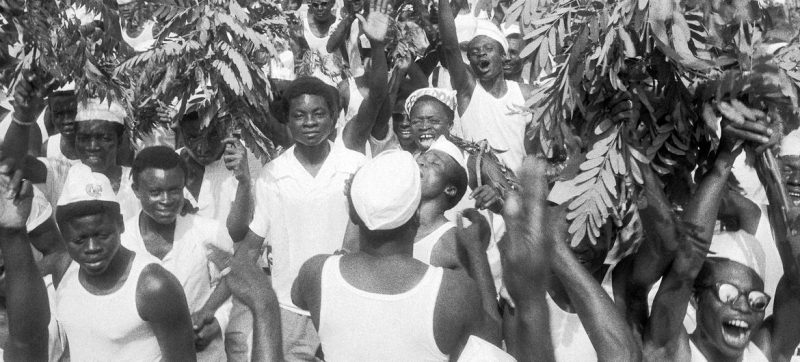
UN Photo Voters in the former French Togoland celebrate the election of a new Chamber of Deputies in 1958.
Similar missions accompanied the process of decolonization in other regions of the world. UN representatives organized plebiscites and referendums in Cameroon, Equatorial Guinea, Togoland, held consultations with the population of Bahrain and helped young states create their own institutions of power.
Diplomacy during the Cold War wars
During the Cold War, the Security Council’s capabilities were limited by superpower confrontation. Therefore, instead of major operations, the UN increasingly sent special representatives of the Secretary-General.
Thus, in the 1980s, the personal representative of the Secretary-General led many years of negotiations on Afghanistan, which ended with the signing of the Geneva Accords in 1988. During the same period, a special representative was appointed to help support negotiations between Iran and Iraq during one of the most destructive conflicts of the 20th century.
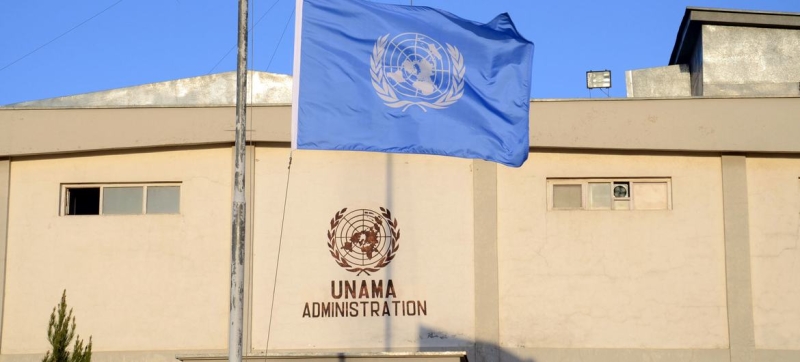
UN Photo/K.Verhellen UN mission headquarters in Kabul.
After the Cold War – New Challenges
The collapse of the bipolar system led to an escalation of previously pent-up tensions and a sharp increase in the number of political missions. Whereas previously they were primarily involved in mediation, in the 1990s they began helping countries hold elections, write new constitutions, reform government institutions and restore trust after civil wars. An example of success was Tajikistan, where a UN political mission helped implement the 1997 peace agreement, playing an important role in the country’s transition from civil war to peace.
Missions worked in El Salvador, Guatemala, Burundi, Somalia, Nepal, Angola, Haiti and many other countries. At the same time, expert groups emerged to monitor the implementation of Security Council sanctions.
Not only negotiators
Over time, mission mandates became increasingly flexible and varied.
After the Suez Crisis of 1956, the UN organized a special operation to clear the Suez Canal: an international team raised 44 sunken objects from the bottom, which made it possible to reopen the world’s most important transport artery. Ships.
And in 2013, by decision of the Security Council, a joint mission of the UN and the Organization for the Prohibition of Chemical Weapons was created to monitor the elimination of the Syrian chemical weapons program.
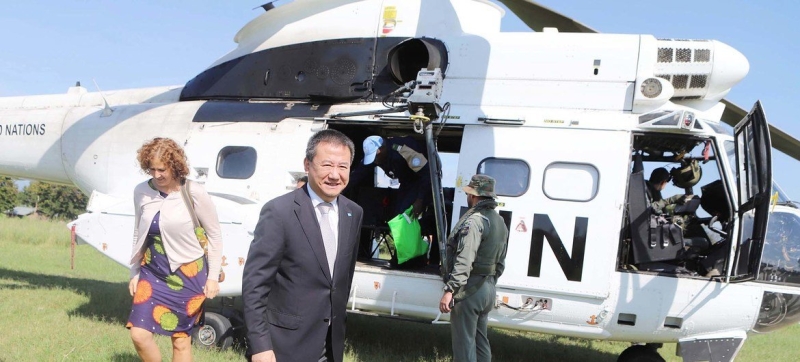
UN Special Envoy for the Great Lakes Region Huang Xia during a visit to the DRC in 2019.
Offices in West Africa and the Sahel, Central Africa and Central Asia, and envoys in the Horn of Africa and Great Lakes regions provide forums for cooperation and coordinated efforts at the regional level.
On a number of occasions, the Security Council has established special political missions to gather facts and investigate situations.
In addition country-specific mandates, a number of missions have been established to carry out tasks of a global nature. An example of such a political mission is the mandate of the Special Adviser on the Prevention of Genocide.
Work that rarely makes headlines
As of the end of 2025, there were 40 UN special political missions operating around the world. Today, they are increasingly focused on narrow political tasks: conflict prevention, mediation, regional diplomacy and support for peace processes in a specific context. states to overcome differences, reduce tensions, build trust and strive for peace even when world politics was deeply polarized. They have shown, in both big and small matters, the power of diplomacy,” she writes.
That is why they remain one of the most important and at the same time most invisible tools of the UN in conflict prevention – where success is often measured not by the number of documents signed, but by the wars that were fought avoid.