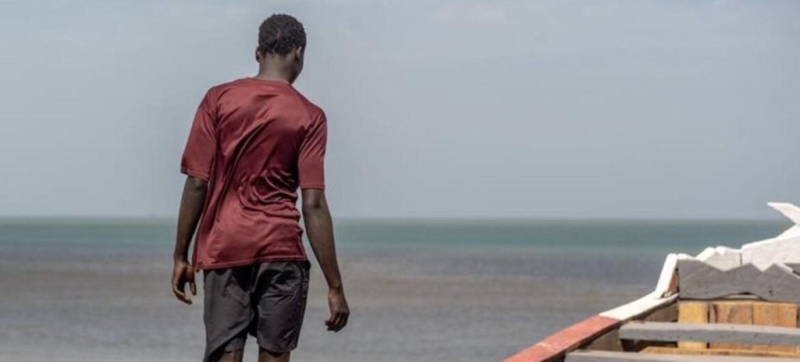

© IOM/L. Sanne The Gambian coastline, where hundreds of migrants embark on dangerous sea journeys every year. From saving lives to finding a new home: how the UN is helping a record number of displaced people Refugees and migrants
Record numbers of internally displaced people, thousands of deaths along migration routes and growing humanitarian needs – this was the global migration situation in 2025. Despite funding cuts, the International Organization for Migration (IOM) provided assistance to 17.8 million people in 170 countries and territories over the year.
It’s not just about crossing borders. The number of internally displaced people worldwide reached 82.2 million by the end of last year, according to the organization’s new annual report. More than 7,900 migrants died en route.
IOM Director-General Amy Pope called 2025 a time of “immense challenges but also extraordinary resilience.” She said the organization focused not only on emergency assistance, but also on finding practical solutions for people experiencing homelessness and their host communities.
Working in Hot Spots
One of the most challenging operations was working in Sudan, where ongoing conflict has caused one of the largest displacement crises in the world. IOM became the first UN agency to resume work in Khartoum and provided humanitarian assistance to more than 1.1 million people.
Worldwide, 7.3 million people benefited from IOM housing programs during the year, and 1.5 million people received mental health and psychosocial support services. The organization supported more than 4.1 million medical consultations. An additional 5.1 million people gained access to clean water, sanitation and hygiene, and 1.5 million received protection services. The UN agency emphasizes: it is important not only to provide the basic needs of people, but to help them return to normal life. The report found that more than 16.8 million people were supported to achieve lasting solutions to displacement.
The effects of climate change are increasingly forcing people to leave their homes. IOM has implemented disaster resilience projects for nearly a million people in 34 countries. The organization also helped governments consider population mobility issues when preparing for and responding to emergencies.
Special emphasis is placed on safe and legal migration. In 2025, IOM helped nearly 625,000 people access employment or training opportunities.
The organization recognizes that humanitarian needs are growing faster than the amount of funding available. However, the past year shows that even with record numbers of people displaced, international cooperation continues to save lives and create opportunities for recovery.