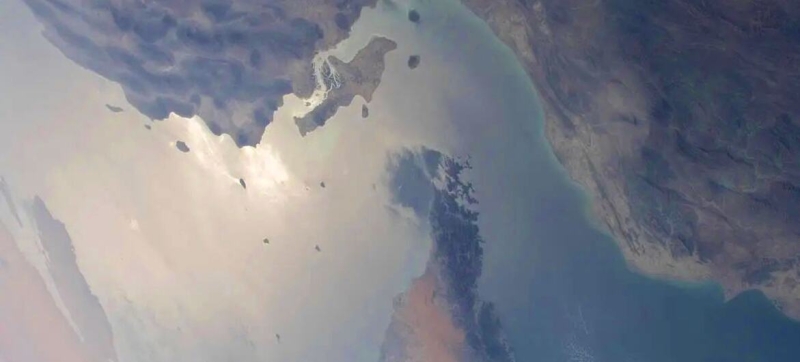

© NASA Satellite image of the Strait of Hormuz separating the United Arab Emirates and Iran. The crisis in the Middle East threatens to disrupt the sowing season in African countries Peace and Security
As the crisis in the Strait of Hormuz deepens and tensions between Iran and the United States rise, global oil prices rose again Monday morning, prompting the UN Secretary-General to call for a speedy peaceful resolution to the conflict.
“I urge that negotiations continue until a diplomatic solution is found, that the ceasefire be respected and that the Strait of Hormuz be fully reopened… Any resumption of hostilities will have dire consequences,” said António Guterres. Speaking in Nairobi on the eve of the opening of the Africa Forward summit, the UN chief stressed that the crisis in the Middle East is a common problem. Guterres recalled that about 13 percent of African imports – mainly oil and fertilizers – pass through the Strait of Hormuz. “This is the only way to return energy and fertilizer prices to pre-war levels.”
Sowing at risk
Kenya is less vulnerable than other African states because most of its planting campaign has already been completed. Meanwhile, many other countries on the continent are still awaiting shipments of fertilizers and other agricultural inputs produced in the Gulf countries.
Over the past month, the price of urea, one of the world’s most common high-nitrogen fertilizers, has risen more than 35 percent—at the height of the planting season.
“Without fertilizers, we We risk facing a serious food security problem next year,” said the Secretary General.