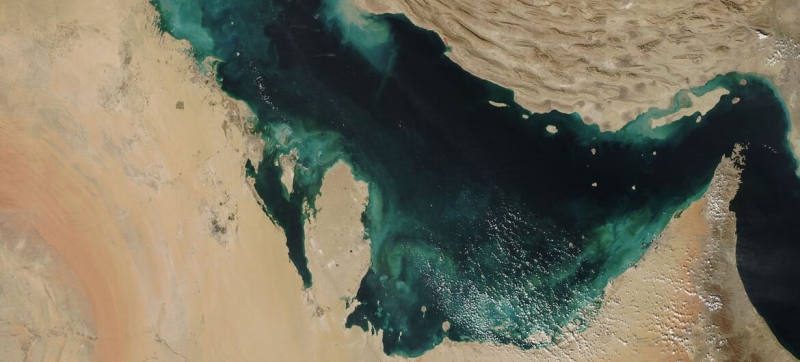

© NASA/J. Schmaltz Satellite image of the Strait of Hormuz. The UN launched a platform to monitor the consequences of the crisis in the Strait of Hormuz Peace and Security
Against the backdrop of the growing consequences of the crisis in the Strait of Hormuz for the global economy, the UN launched a new mechanism for monitoring risks in the fields of shipping, energy, food and finance.
The consequences are getting worse
Shipping disruptions in one of the world’s key maritime hubs have rapidly escalated into a serious threat to global development. Since early March, the United Nations Conference on Trade and Development (UNCTAD) has warned that disruptions in the Strait of Hormuz are affecting more than just energy markets. The scale of the impact is explained by the strategic role of the strait in world trade – about a quarter of the world’s seaborne oil trade passes through the strait, as well as significant volumes of liquefied natural gas and fertilizers – goods on which food production and inflation directly depend.
The situation has rapidly deteriorated in a short time: the number of ships passing through the strait has dropped by about 95 percent, and oil and gas prices, tanker freight rates, the cost of marine fuel and military insurance fees risks have increased sharply. According to UNCTAD, from the beginning of April, the effects of the crisis began to be reflected in trade, prices and financial markets. So, developing countries faced weakening currencies, falling stock indices and rising costs of external borrowing.
New tool for monitoring risks
UNCTAD launches a new monitoring tool to track risks. The platform brings together regularly updated indicators in the shipping, food, energy and financial sectors, allowing users to monitor the development of the crisis and compare it with previous shocks, such as the COVID-19 pandemic and supply chain disruptions after the outbreak of war in Ukraine.
The tool also allows you to track how the various factors that lead to the crisis affect each other. For example, rising energy prices can lead to higher prices for fertilizers and food, and tightening financial conditions can reduce the ability of countries to respond to the crisis.
The relevance of these measures is confirmed by the latest UNCTAD World Trade Review: Although 2026 began on a positive note for global trade, growing instability, inflationary pressures and rising trade costs worsens the investment and development prospects of developing countries.