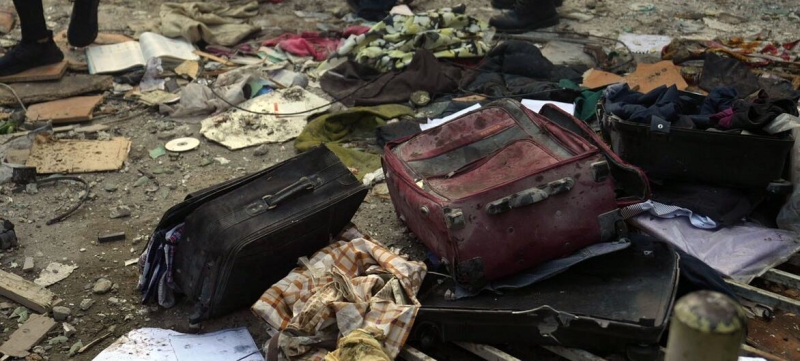

Consequences of rocket attacks on Beirut. UN calls for expansion of humanitarian operations in the Middle East Peace and Security
The Office of the United Nations High Commissioner for Refugees (UNHCR) calls for the protection of all civilians in Lebanon. The country is experiencing some of its most critical moments since the start of the current conflict. Office spokeswoman Eugene Byun warned about this today.
According to UNHCR, on April 8 alone, about 100 targets were hit within ten minutes without warning, including densely populated areas of Beirut, where thousands of internally displaced people were already located. According to the Lebanese Ministry of Health, more than 300 people were killed and over 1,150 were injured as a result of the latest strikes. The death toll may rise as search and rescue operations continue.
People who had already fled Beirut, the Bekaa Valley and the south of the country were forced to leave their shelters again – sometimes for a second or third time. Even areas considered safe were hit. Rescue services are facing serious difficulties due to destruction and blocked roads, and hospitals are reporting huge strains and a shortage of blood for transfusions.
For many families, returning to the southern regions has become impossible, as entire settlements have been partially or completely destroyed. An estimated 150,000 people are still trapped in southern Lebanon, with limited humanitarian supplies.
Victim support
Humanitarian needs are growing rapidly, with more than 680 temporary shelters housing some 140,000 people overflowing. Almost half of public schools are used as shelters, depriving children of the opportunity to learn.
Despite the challenges, UNHCR and its partners continue to provide assistance to those affected, including the distribution of relief supplies, emergency shelter repairs and protection services. More than 151 thousand people in collective accommodation centers and 31 thousand in hard-to-reach areas of Lebanon have already received support.
UNHCR emphasized that one in five Lebanese residents is now displaced, while the agency has received only 20 percent of the necessary funding. In addition, more than 250 thousand people crossed the border into Syria, including 39 thousand Lebanese citizens. In these conditions, urgent international support and, above all, a cessation of hostilities are urgently needed.
Food crisis
Meanwhile, the World Food Program (WFP) is also helping hundreds of thousands of people amid growing humanitarian needs in the Middle East. The WFP welcomed the announced two-week ceasefire between the United States and Iran, but warned that the situation remains highly volatile. Risks remain associated with humanitarian access and supply chains particularly on key&maritime routes.
According to UN agency, in Lebanon as of April 9, about 440 thousand internally displaced persons received food and cash assistance. Emergency food packages were provided to approximately 85,000 people at border crossings into Syria, and approximately 33,500 refugees living in camps were assisted in Iran.
At the same time, most requests for humanitarian missions in the southern regions of Lebanon are either rejected or remain unanswered, which significantly limits the delivery of assistance.
Rising food prices
Against the background of the conflict, food prices are rising in a number of countries in the Middle East and North Africa. Supply disruptions and access restrictions continue to weigh on markets.
In the Gaza Strip, the cost of the food basket rose 22 percent by the end of March, and wheat flour prices more than doubled. Syria and Lebanon also recorded price increases of 8 and 7.5 percent, respectively, due to the effects of regional instability and increased import costs.
WFP warns that these factors are eroding people’s purchasing power and limiting access to food, especially for the most vulnerable families. The agency estimates that unless the situation improves, the global crisis could push up to 45 million more people into acute food insecurity. girls
UN Women warns of the devastating impact of conflict on women and girls across the Middle East. Deaths, displacement and humanitarian needs have risen sharply since the escalation began on February 28.
Despite a declared ceasefire between the United States and Iran, hundreds of women and girls have already died across the region and millions have been forced to flee their homes. Overcrowded shelters and limited access to water and sanitation increase risks of violence, while reduced access to health care, protection and livelihoods exacerbates the crisis.
The food situation is also worsening: an estimated 24 million women and girls in the region face food insecurity due to rising prices, supply disruptions and declining purchasing power abilities.
UN Women welcomed the temporary truce but stressed the need for lasting peace, calling for the protection of civilians, unhindered access for humanitarian aid and support for women-led initiatives.