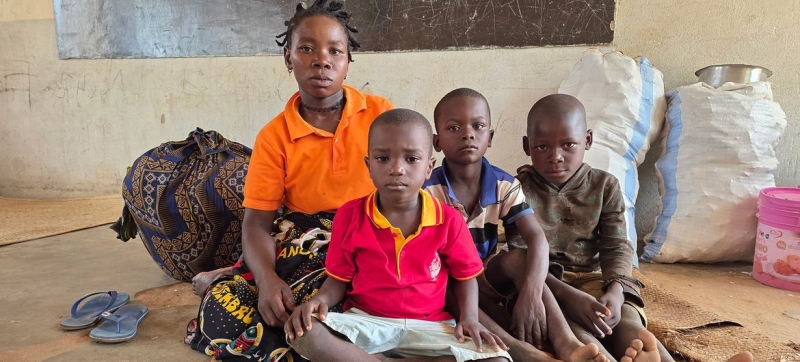

UN Emergency Relief Coordinator Tom Fletcher has committed $6 million from the Central Emergency Response Fund to expand support for 120,000 people displaced by violence in northern Mozambique. Top news of the day | Wednesday: Sudan, Mozambique, opium, Day of Persons with Disabilities UN
The main news of the day in the UN and in the world: humanitarian disaster in Sudan, mass flight of people from violence in northern Mozambique, record opium production in Myanmar, International Day of Persons with Disabilities.
Humanitarian situation in Sudan
Sudan is currently experiencing a severe humanitarian disaster: the intensifying conflict in Kordofan and other regions of the country has left civilians without food, water and medical care. UNICEF reports that certain communities in Southern Kordofan are under siege, and there are ongoing outbreaks of violence in Western Kordofan. Hospitals are only partially operational. The World Health Organization has confirmed nearly 200 attacks on health facilities, resulting in more than 1,700 deaths. Despite this, humanitarian organizations continue to deliver water and food to those in need. The humanitarian response plan for Sudan is only 35 percent funded. The UN calls on donors to urgently increase support.
Aid to internally displaced people in Mozambique
UN Emergency Relief Coordinator Tom Fletcher on Wednesday released $6 million from the Central Emergency Response Fund to expand support for 120,000 people displaced by violence in northern Mozambique. The situation in the African country has deteriorated sharply since mid-November as the conflict escalated. Children make up more than two-thirds of the 100,000 people who have fled in the past two weeks, according to aid groups. They take refuge in overcrowded schools, temporary shelters and sleep on the streets. All this is happening against the background of the spread of cholera in the region. Funds from the Central Response Fund will be primarily used to provide water, sanitation and hygiene products to those in need.
Record opium production in Myanmar
Opium poppy cultivation in Myanmar has reached its highest level in ten years. This was reported by the UN Office on Drugs and Crime (UNODC) in its new report. The study comes at a critical time for the country, which is experiencing protracted conflict and socio-economic instability. According to the report, the area under poppy cultivation in Myanmar has increased by 17 percent compared to last year. Economic factors play a key role in this. Since 2019, the price of opium at farmers’ markets has more than doubled. Rising prices and dwindling supplies of heroin from Afghanistan provide incentives for further expansion of production in Myanmar, the UNP said. However, people with disabilities face twice the risk of developing chronic diseases, from diabetes to depression, and the gap in life expectancy compared to people without disabilities can be up to 20 years. These numbers reflect not only health conditions, but also the effects of systemic exclusion, discrimination and limited access to services. UN Secretary-General Antonio Guterres, in his message on the occasion of the International Day of Persons with Disabilities, which is celebrated on December 3, emphasized that without real inclusion it is impossible to talk about genuine social progress or sustainable development.