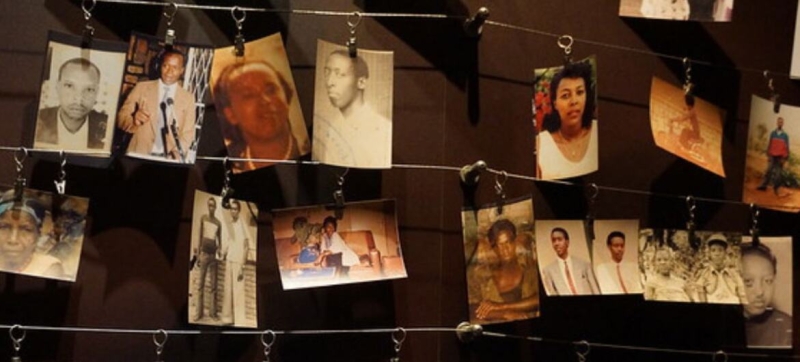

Photos of victims of the 1994 Rwandan genocide. The UN remembers the victims of the Tutsi genocide in Rwanda and calls to prevent a repetition of the tragedy Peace and Security
Thirty-two years ago, a genocidal campaign against the Tutsi people began in Rwanda, resulting in the deaths of more than a million people. Events are being held at the United Nations on Tuesday to remember the tragedy and prevent it from happening again.
Serge Gazore’s childhood can hardly be described as anything other than a nightmare. In 1994, when the genocide against the Tutsi began in Rwanda, he was still a child and nearly died several times. His mother was killed and his grandmother died in a grenade attack on a church where Tutsis were taking refuge. The boy hid from his attackers for weeks, but was eventually drawn into the conflict: at the age of nine, he was forced to fight as part of the Rwanda Patriotic Front. She helps children in his home country by providing them with housing, food, medical care and education.
Gazore’s story is just one of thousands of stories of people who, decades later, continue to rebuild their lives after the events of 1994. Then, in less than three months, more than a million people were killed – mostly Tutsis, but also moderate Hutus and representatives of other groups who opposed the genocide.
On Tuesday, Gazore and another survivor of the tragedy, Marcel Mutsindashyaka, who lost 25 family members, shared their stories at a ceremony at UN headquarters in New York. The event coincides with the International Day of Remembrance for the Victims of the Genocide against the Tutsi in Rwanda, which is observed on April 7.
“Learning from past mistakes”
Speaking during the ceremony on behalf of UN Secretary-General Antonio Guterres, the head of his office, Courtenay Rattray emphasized that the world has a responsibility not only to remember the tragedy, but also to take responsibility for preventing similar crimes.
According to the UN chief, the genocide did not happen spontaneously: it was “deliberate, pre-planned and organized.” It was preceded by the propaganda of hatred and dehumanization, which pushed society towards violence.
The Secretary General also acknowledged the failure of the international community, which did not respond to obvious warning signs. According to him, today the spread of hate speech has become even more widespread and rapid thanks to digital platforms, increasing the risk of such tragedies repeating.
“It is not enough to simply remember those who died. We must learn from past mistakes and protect those who are alive, and to do this, reject hatred, provocative rhetoric and calls for violence,” Guterres said in the message.