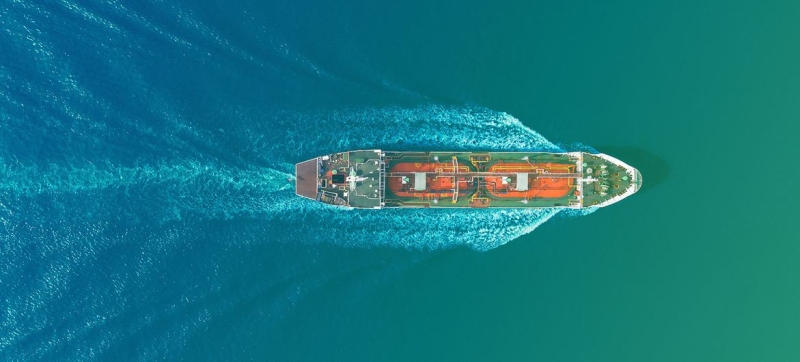

Iran’s bombing sparked a wider regional conflict and led to a decline in shipping along a key route. The crisis in the Middle East has exacerbated economic problems for least developed countries Economic development
The war in the Middle East and the near-total cessation of shipping in the Strait of Hormuz have exacerbated the energy crisis in developing countries in Africa and South Asia that depend on imports of liquefied natural gas, food and fertilizer.
As oil prices remain above $100 a barrel, many households around the world are switching to cheaper but more polluting fuels, most notably coal.
A month after the Israeli-American bombing of Iran began, sparking a wider regional conflict, disruption to tanker traffic in a key waterway in the Persian Gulf has reduced global oil supplies and disrupted supplies of natural gas, coal, food and fertilizer.
“Only a small group of Least Developed Countries are net energy exporters: South Sudan, Angola, Chad, Mozambique, Lao Democratic Republic, Myanmar and Yemen, said Junior Davis, head of policy analysis and research at the United Nations Conference on Trade and Development (UNCTAD). “Most of the countries in this group are net importers, including Niger, Zambia, Rwanda, Ethiopia, Tanzania, Madagascar, Togo, Sudan, Uganda, Nepal, Eritrea, Benin, Bangladesh, Cambodia and Senegal.” difficulties
Speaking about the situation in Angola, Davis noted that developing oil-exporting countries can only benefit “limitedly” because “many do not have their own refining capacity and are forced to import petroleum products at higher prices.” In addition, LDCs rely heavily on fertilizers produced abroad, since their production is largely based on natural gas (methane), explained the UNCTAD economist.
According to the UN Food and Agriculture Organization (FAO), the world’s 17 poorest countries are forced to import more than 30 percent of their cereal needs. Even more alarmingly, a similar number of least developed countries spend more than half of their export earnings on food alone. “This means that higher energy prices will quickly lead to higher food prices and increase the risk of hunger for households,” said Davis.
Limited room for maneuver
Solving the energy crisis quickly will not be easy given the high level of debt obligations, looming over many of the world’s poorest countries. The UN Secretary-General has repeatedly drawn attention to this problem, calling for reform of the financial sector in the interests of fairness, competitiveness and growth.
“Given how heavily indebted many developing countries are to foreign creditors and how much government spending cuts they have had to make for many years, it is likely that households will have to pay more for energy, food and fertilizer while consuming less. The situation will be extremely difficult,” Davis said.
UNCTAD also reminds that the world’s 15 least developed countries have still not recovered from the difficult years of the COVID-19 pandemic, and their economies are in worse shape than in 2019 year.
Anti-crisis measures
A number of countries have already introduced measures to limit energy consumption. In particular, fuel rationing and related restrictions apply in Bangladesh, Myanmar and Laos, which also impose restrictions on transport and electricity use. Such steps are being taken, in particular, in Cambodia and Laos, and in Myanmar, remote work for government employees has become mandatory.
In a number of countries, the emphasis is on changing consumer behavior. Thus, in Ethiopia, authorities are calling for economical use of fuel, and in Senegal they are calling on households and businesses to reduce consumption. Finally, fiscal measures such as fuel tax cuts and subsidies have been used, for example, in Cambodia and Laos to mitigate the impact of the crisis.