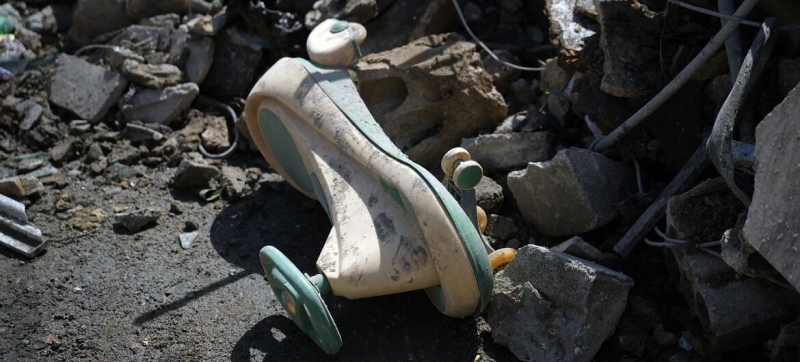

Consequences of airstrikes in Beirut. Middle East: attacks on humanitarian missions and medical facilities Peace and Security
Amid ongoing conflict in the Middle East, the UN warns that the death toll is rising, thousands of people are fleeing their homes, and medical care is becoming increasingly difficult to obtain. Today at 11:00 New York time, the Security Council is expected to vote on a draft resolution proposed by Bahrain regarding the situation in the Strait of Hormuz.
The World Health Organization (WHO) has confirmed that a WHO contractor was killed in a serious incident in Gaza on Monday. Two employees of the organization were nearby, but were not injured.
After the incident, WHO suspended the medical evacuation of patients from Gaza through the Rafah checkpoint to Egypt. The restriction is in effect until further notice and the circumstances surrounding the incident are under investigation. WHO Director-General Tedros Adhanom Ghebreyesus expressed his condolences to the family of the victim and reiterated the need to protect civilians and humanitarian workers.
“We are deeply grateful to our colleagues who, despite the risks, are working day and night to ensure that the people of Gaza can receive the medical care they need,” – said he.
UN calls for de-escalation
Answering questions from journalists about US President Donald Trump’s recent statements on social media, Alessandra Vellucci, Director of the UN Information Service in Geneva noted that the United Nations is alarmed by threats of attacks on power plants, bridges and other infrastructure.
60~p>The UN Secretary-General, according Vellucci urged all parties to comply with their obligations under international law. Civilian infrastructure should not be attacked, even if specific objects are considered as military targets.
The UN stressed the need for an immediate end to the conflict. The Secretary-General’s Personal Envoy for the Conflict in the Middle East, Jean Arnault, traveled to the region yesterday to promote de-escalation and find a political solution. The UN Refugee Agency (UNHCR), inside Lebanon, more than 1.1 million people were forced to flee their homes. Another about 200 thousand Syrians left Lebanon and returned to Syria. Lebanese citizens are also arriving in Syria. The situation of displaced people remains extremely difficult due to economic and humanitarian problems in the country.
Some returning Syrians find support from relatives, but many additional help is required. UNHCR in cooperation with local authorities expands humanitarian operations.
As of yesterday, less than $100 million of the $308 million requested to help Lebanon had been received. The UN stresses the need for additional funding.
Health system under attack
The UN also expresses serious concern about the ongoing hostilities between Hezbollah and Israeli forces and calls on all parties to comply with international humanitarian standards rights.
Humanitarian access in southern Lebanon remains a major challenge, according to the WHO.
Lebanon’s Health Ministry reports at least 1,169 dead, with the toll increasing by more than 50 percent in just one week.
Since March 92 attacks on healthcare facilities were confirmed. As a result, six hospitals were closed and 51 primary health care centers were closed.
Large population movements are placing severe strain on life support systems and increasing the risk of the spread of infectious diseases, including measles and hepatitis A.
The need for psychosocial support is also growing sharply, with thousands of people seeking help amid fear and uncertainty. WHO continues to provide medical supplies, provide assistance to victims, and support surveillance systems and mental health services.