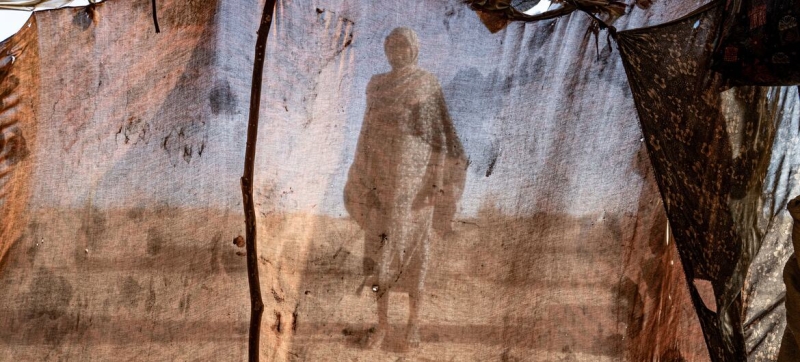

© OCHA/J. Clark The cholera case fatality rate in Sudan has already reached an “extremely high” level of 13.7 percent. New cholera outbreak threatens war-torn communities in Sudan Humanitarian Aid
A deadly new cholera outbreak in war-torn Sudan has already claimed more than 100 lives, raising grave concerns for vulnerable communities, including in besieged El Obeid, where daily drone attacks are hampering humanitarian access.
“Cholera is back and has already affected several states, mainly in the western part of the country, in Darfur and Kordofan,” said Shible Sahbani, the World Health Organization (WHO) representative in Sudan. At a briefing for journalists in Geneva on Friday, Sahbani reported more than 1,330 confirmed cases and 114 deaths from the disease. He recalled that cholera can be prevented, but it can also quickly lead to death if timely medical attention is not provided. The rainy season is likely to significantly worsen the outbreak. The actual death toll is likely much higher, and humanitarian organizations are deeply concerned that the disease could spread among the hundreds of thousands of people who have fled the towns and rural areas of North Kordofan. This Sudanese state, located in the center of the country, is the epicenter of fighting between former allies – the Sudanese Armed Forces and the paramilitary Rapid Action Force.
High lethality of cholera
As Sahbani explained, cholera’s case fatality rate in Sudan has already reached an “extremely high” level of 13.7 percent, and the situation is expected to worsen with the onset of the upcoming rainy season. Sudan currently has the world’s largest humanitarian crisis, with more than 33 million people in need of external support, including 21 million in need of medical assistance. At least 59,000 people have died since the war began on April 15, 2023. Some people have returned to states where the situation has improved somewhat, including the capital Khartoum. Sahbani stressed that 13.4 million people remain displaced: 9 million inside Sudan and 4.6 million in neighboring countries. In addition to cholera, there are currently outbreaks of diseases such as dengue, malaria, meningitis, hepatitis and measles. “We are particularly concerned about the spread of cholera in El Obeid in Northern Kordofan: access to the region is extremely limited and an already fragile health system is under increasing strain,” a WHO representative said. “The medical facilities there are overloaded, and access to medical care is extremely limited.”
There are medical supplies, but they are few
The agency has prepared in advance in El Obeid medical supplies sufficient to treat more than 25 thousand people, but this is still not enough, Sahbani emphasized. On Monday, WHO delivered 8.5 tons of medical supplies to Kadugli and Dilling in Southern Kordofan. Sahbani supported UN High Commissioner for Human Rights Volker Türk’s recent calls to the international community to prevent further atrocities in El Obeid. He said the massacre in El Fasher, which occurred last October when the Rapid Reaction Force entered the city, must not be repeated.