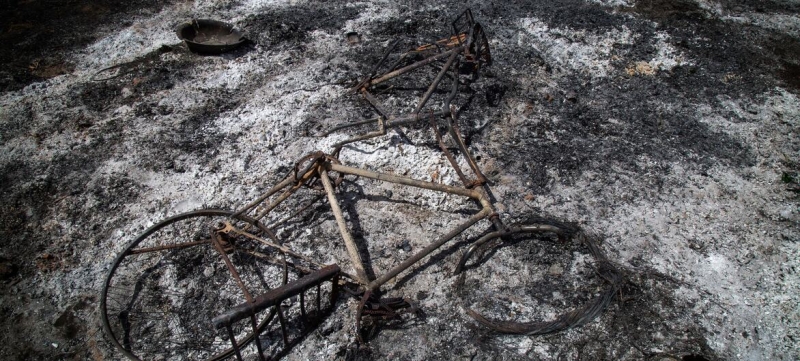

Photo UN/M. Dormino The attacks caused numerous civilian casualties and forced thousands of people to flee. Mali: UN warns of worsening human rights crisis Peace and Security
The human rights situation in Mali is rapidly deteriorating, with coordinated attacks by armed groups across the country killing civilians, forcing thousands from their homes and now cutting off food supplies and humanitarian aid. The Office of the United Nations High Commissioner for Human Rights (OHCHR) announced this on Tuesday.
On the morning of April 25, Islamist and separatist groups carried out large-scale attacks on several cities and towns. The violence also affected the country’s capital, Bamako. The attacks resulted in numerous civilian casualties and forced thousands to flee. “We are deeply concerned about the deteriorating human rights situation throughout Mali,” OHCHR spokesman Seif Magango said. In the following days, clashes between Malian security forces and armed groups – including the Tuareg-led Azawad Liberation Front and al-Qaeda-linked Front Jamaat Nusrat al-Islam wal-Muslimeen continued. Senior UN officials – including Secretary-General António Guterres and High Commissioner for Human Rights Volker Türk – called on all parties to respect international law and protect civil rights population.
Reports of executions and kidnappings
Human rights activists are receiving reports from Mali of extrajudicial killings and abductions. Thus, on May 2, lawyer and politician Muntaga Tull was abducted from his home by unknown armed men, and his wife was also attacked. The whereabouts of Tall, like a number of other abductees, remain unknown. The Malian authorities announced the start of an investigation. OHCHR, in turn, called for ensuring its completeness and compliance with international standards, including guarantees of due process. Growing humanitarian problems Against the backdrop of violence in the country, the humanitarian situation is deteriorating. In Mopti, in central Mali, local authorities warned that some communities could be left without food due to a blockade imposed by armed groups. “Such actions are unacceptable and must stop immediately,” OHCHR spokesman Seif Magango said, calling for safe and unhindered humanitarian access. help.
Children pay the “heaviest price”
The current crisis is especially hard on children. The United Nations Children’s Fund (UNICEF) has warned that “it is children who are paying the highest price for the ongoing violence in Mali.” A school in Mopti, home to some three hundred children, was reportedly infiltrated by armed men carrying explosive devices. The attack on a health center in Gao has worsened access to health care for nearly 2,700 children. “Schools and health facilities should always serve as safe havens and should not be considered military targets,” UNICEF said, calling for the protection of civilian infrastructure and an end to violations of children’s rights. Meanwhile, health facilities in Mali are under severe strain from the influx wounded. The International Committee of the Red Cross has increased support to hospitals in Bamako, Kati, Mopti and Gao, providing them with additional medicine, fuel and technical assistance.