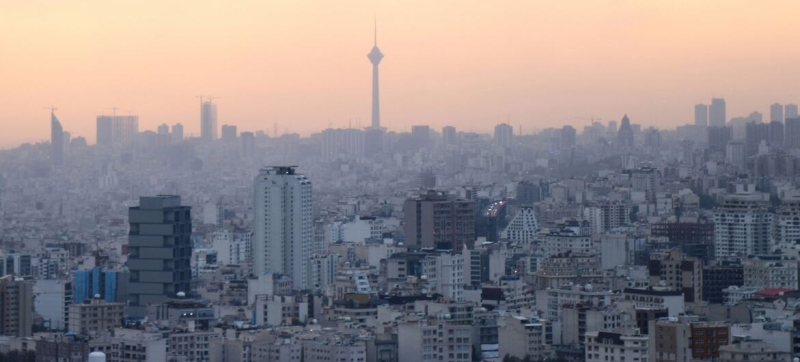

© Unsplash/M. Taksh Tehran. UN chief human rights activist condemns repression of dissidents in Iran Human rights
UN High Commissioner for Human Rights Volker Türk expressed deep concern about the increasing crackdown on dissent in Iran, saying that the rights of all citizens of the country must be fully respected.
According to him, Iranian authorities continue to suppress criticism, including using accusations related to national security. At least 21 people were reportedly executed and thousands – arrested.
Executions and Arrests Amid the Conflict
Since the Israeli and US strikes on Iran began two months ago, nine people have been executed in connection with the January 2026 protests, ten more for alleged involvement in opposition groups and two on espionage charges. severe consequences of the conflict, the authorities continue to deprive Iranians of their rights – cruelly and mercilessly,” – said Turk.
He emphasized that even in conditions of war, restrictions on rights are permissible only if strictly necessary, proportionate and there is a legal basis goals.
“Fundamental rights, such as protection from arbitrary detention and the right to a fair trial, must be respected unconditionally and at all times,” noted the High Commissioner.
The UN spokesman called on authorities to stop executions, introduce a moratorium on the death penalty, ensure due process and immediately release those arbitrarily detained.
Risks of abuse and torture
The UN notes that the broad and vague definition of crimes against national security in Iran puts the lives of many at risk people, including children. Defendants are often denied access to lawyers of their choice and subject to fast-track trials. Torture and ill-treatment are also reported. In a number of cases, sentences, including death, were based on coerced confessions.
Since February 28, it is estimated that more than 4,000 people have been detained on national security-related charges. Many have been subjected to enforced disappearances, torture and other forms of cruel, inhuman or degrading treatment, including forced – sometimes televised confessions and mock executions. Baha’is, Zoroastrians, Kurds and Balochis. The whereabouts of dozens of prisoners are unknown, information about their fate is missing. Among them – human rights activist and lawyer Nasrin Sotoudeh.
Conditions of detention and cases of violence
“Conditions in Iranian prisons are extremely difficult,” Turk noted, pointing out their overcrowding, shortages of food, water, medicine and problems with medical care.
Of particular concern is the condition of Nobel Peace Prize laureate Nargis Mohammadi, who remains in custody. Her health is reported to be deteriorating after suffering a heart attack.
At Chahbehar Prison, protests by inmates demanding the resumption of food distribution after a long break were suppressed with lethal force, reportedly killing at least five people and injuring 21 others. In another facility, two prisoners died in custody, with signs of torture.
Pressure and Internet blackouts
The High Commissioner also pointed to the use of mass seizure of property as a tool of pressure. Authorities have reportedly seized the assets of 675 citizens, including 400 Iranians living abroad, accusing them of “treason” and collaboration with “hostile groups.”
The new financial monitoring system “Sahm” allows the tracking and seizure of citizens’ assets electronically throughout the country.
In addition Moreover, the Internet in Iran has remained almost completely shut down for 61 days – this is one of the longest and most widespread blockages in the world.
“This deprives people of access to vital information, stifles independent voices and causes serious social and economic damage,” Turk emphasized, calling for immediate restore access to the network.
The UN warns that what is happening is aggravating the already difficult humanitarian and economic situation in the country.