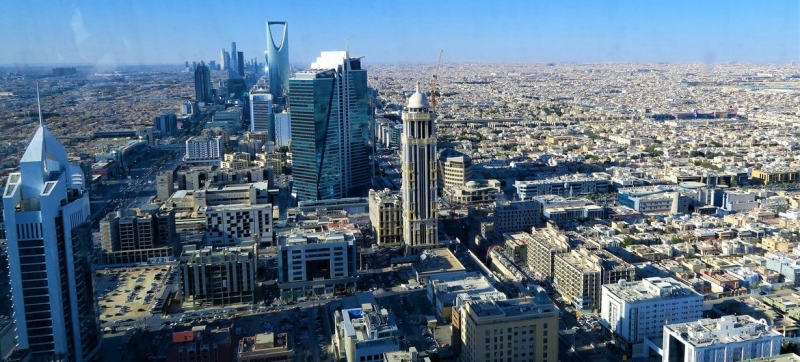

UN/E. Osmanoglu Riyadh, capital of Saudi Arabia. UN experts call on Saudi Arabia to end migrant sponsorship system as preparations for FIFA World Cup begin Human rights
Saudi Arabia is stepping up preparations for the FIFA World Cup, which will be held in the country in 2034. Against this background, independent UN experts called on the authorities to abolish the “kafala” system, that is, sponsorship of migrant workers.
Under this system, a worker’s right to reside in the country is tied to a specific employer (kafil). Without his permission, a migrant cannot change jobs. However, in order to leave Saudi Arabia, an employee needs to obtain an exit visa. According to media reports, employers sometimes confiscate the passports of foreign employees, although this is officially prohibited. cases of death of foreign workers that occurred “under unclear circumstances”, and the perpetrators were not brought to justice.
“Wage theft, workplace violence, identity document withholding, and extortionate recruitment fees continue to occur. These abuses must stop,” the experts said.
The kafala system gives employers full control over the legal status of migrant workers, their residence, labor market mobility and movement. Despite the launch of the Labor Law Reform Initiative in 2021, many aspects of this sponsorship system continue to apply.
Loopholes in the law allow employers to maintain complete control over workers, with reports of sponsors preventing them from leaving the country and using false criminal charges to punish those who try to leave jobs where abused.
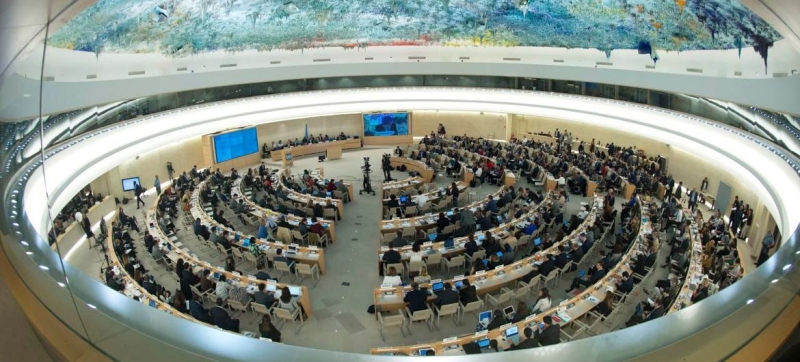
UN Photo/J.-M. Ferré UN Special Rapporteurs are appointed by the Human Rights Council.
Access to justice remains limited: many migrant workers face barriers to filing complaints of abuse and are unable to obtain the legal support they need. Families of deceased workers are often unable to obtain information about them, bring those responsible to justice, or receive compensation.
Experts also note that migrant domestic workers can become victims of human trafficking. They are forced to work, work in harsh conditions, are subjected to physical or sexual violence, and are deprived of any guarantees of labor protection.
“While many migrant workers are the driving force of the Saudi economy, many do not have a voice and are often caught in a cycle of exploitation,” the experts said.
They again called on Saudi Arabia to take action to fully include migrant workers in the national system to protect workers’ rights, enforce laws and create safe and accessible grievance channels. They urged the effective abolition of the kafala system, both in law and in practice, so that workers can change jobs and leave the country without restrictions.
The experts also called on Saudi Arabia to ratify the International Convention on the Protection of the Rights of All Migrant Workers and Their Members families.
Ensuring the protection of the rights of migrant workers is extremely important not only for the success of the World Cup, but also for the development of Saudi Arabia as a whole, experts emphasize.
Tomoya Obokata, Special Rapporteur on Contemporary Forms of Slavery, Gehad Madi, Special Rapporteur on Contemporary Forms of Slavery, called on the country’s authorities to on the Rights of Migrants, and Siobhan Mullaly, Special Rapporteur on Trafficking in Persons.
Special Rapporteurs are part of the “special procedures” system. Experts are appointed by the UN Human Rights Council. They are not UN employees and do not receive a salary from the organization for their work.