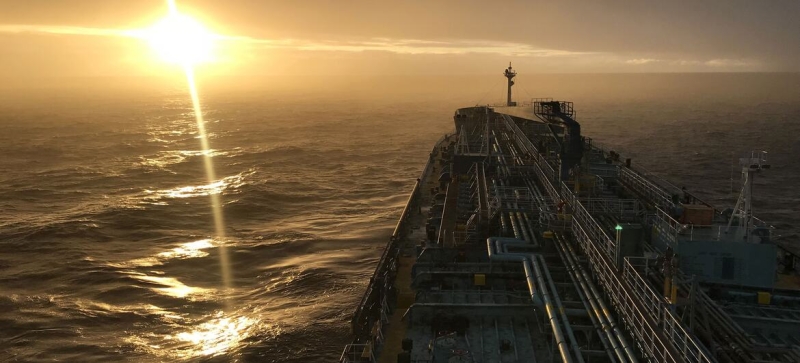

© IMO/Chikhanjan Tunay Vessels under different flags and crews of different nationalities are at risk. INTERVIEW | How the crisis in the Strait of Hormuz exposes the vulnerability of global shipping Peace and Security
The blockage of shipping in the Strait of Hormuz amid the conflict between the United States and Iran shows that ships and sailors are becoming “instruments of pressure in geopolitical disputes.” This was stated in an interview with the UN News Service on the eve of a Security Council meeting on maritime security issues by the head of the UN International Maritime Organization (IMO) Arsenio Dominguez.
Since the end of February, when the United States and Israel began striking Iran, up to 20 thousand sailors have been “blocked” in the Persian Gulf on approximately two thousand ships. They cannot safely pass through the narrow sea corridor. ports, seafarers and maritime infrastructure from any threats such as piracy, terrorism and cyber attacks.
For coastal states, this also means combating illegal activities related to the sea: arms and drug trafficking, illegal wildlife trade, oil theft, human trafficking, smuggling and illegal dumping of toxic waste.
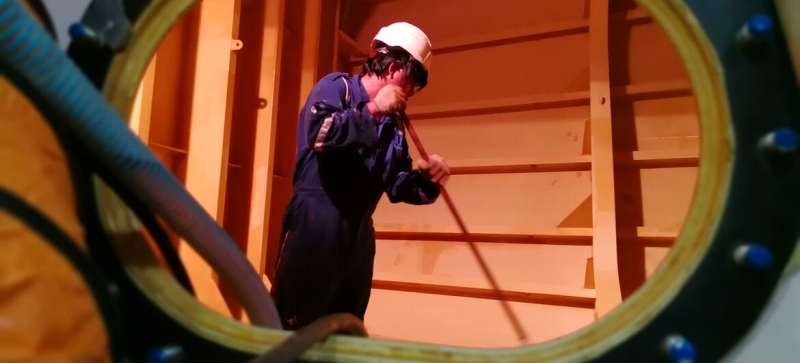
©IMO/Marco Teo G. Kaliwag Vessels and crews are especially vulnerable in conflict zones and often become instruments of pressure in geopolitical disputes.
UN News Service: Why Maritime Security Matters?
Arsenio Dominguez: Maritime security is critical because it protects global trade, ensures the safety of seafarers and keeps supply chains functioning. Without it, the development of the maritime industry stops, and without the development of the maritime industry, sustainable development as a whole is impossible.
UN News Service: What threats did the crisis in the Strait of Hormuz demonstrate? disputes.
Commercial ships have been subject to unjustified attacks, detentions and threats, illustrating how fragile freedom of navigation can be.
UN News Service: What measures can protect seafarers?
Arsenio Dominguez: Information sharing is key. Misinformation can seriously complicate risk-based route planning.
Shipping companies and operators should make sure to conduct risk assessments before sailing through conflict zones.
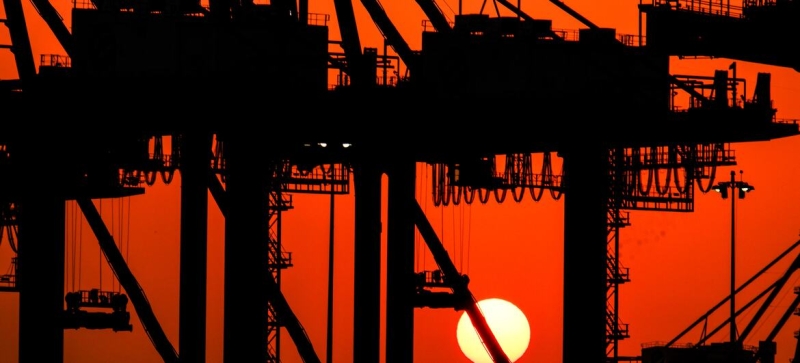
© IMO/Vincent Dwight Rafiel Shipping companies and operators must conduct risk assessments before sailing through conflict zones.
Diplomacy and de-escalation of conflict are critical. Military escort of ships can only be used to a limited extent and is not a sustainable solution.
UN News Service: How threats to maritime security have changed in recent years?
Arsenio Dominguez: From a historical perspective, one of the significant terrorist attacks was the hijacking of the Italian cruise ship Achille Lauro in October 1985.
The events of September 11, 2001 in the United States raised the issue of the vulnerability of ships and the possibility of their use for terrorist purposes.
The issue of piracy and armed robbery has been an active issue in the IMO since the late 1980s, when the number of incidents in Asia increased sharply.
In the early 2010s, attention focused on piracy off the coast of Somalia, in the Gulf of Aden, in the western Indian Ocean and in the Gulf of Guinea in the Western Africa.
Today, cooperation, capacity development and information sharing are more important than ever.
UN News Service: What new threats are emerging and how vulnerable is the industry shipping?
Arsenio Dominguez: New challenges include cyber attacks on navigation systems, cargo operations and ports, sabotage of submarine cables, pipelines and port infrastructure, drone attacks on ships, as well as risks associated with autonomous ships.
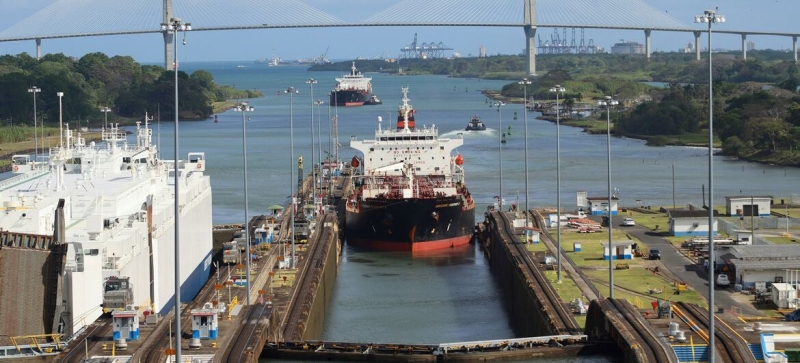
© Unsplash/Alex Pagliuca Panama Canal.
Furthermore, the growing sophistication of criminal groups in supply chains is creating further challenges to global trade.
UN News Service: How much more difficult is it to protect vessels and seafarers?
Arsenio Dominguez: In recent years, international shipping and seafarers have increasingly found themselves embroiled in geopolitical conflicts for which they are not to blame.
Ships under different flags and crews of different nationalities.
Ships are subject to attacks by unmanned aerial and surface vehicles, and we are talking about civilian merchant ships that do not have the means to protect themselves.
Civilian sailors are not combatants and should never be targeted.
UN News Service: Which other sea corridors vulnerable during conflicts?
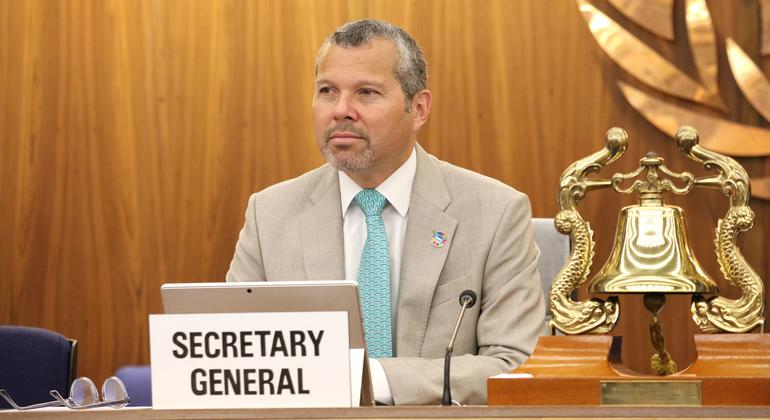
© IMO IMO Secretary General Arsenio Dominguez.
Arsenio Dominguez: The world’s key shipping lanes include the Suez Canal, the Bab el-Mandeb Strait, the Strait of Hormuz, the Straits of Malacca and Singapore, the Bosphorus, the Dardanelles and the Sea of Marmara, and also Panama Canal.
Any disruptions in these areas could have serious consequences for global trade and food security.
UN News Service: What is the role UN?
Arsenio Domínguez: IMO works with international partners to help States strengthen the capacity to prepare for, prevent and respond to threats.
This work includes the implementation of international security standards, effective information exchange, regional cooperation and improved legislation countries.
More broadly, IMO promotes freedom of navigation under international law (UN Convention on the Law of the Sea), supports diplomatic efforts to resolve crises, advocates for the safety of seafarers and assists states in developing maritime capabilities.