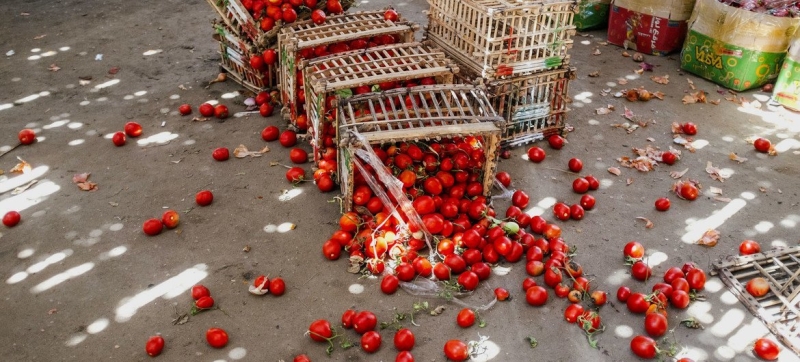

Reducing food waste by half could save 137 million people from hunger, FAO emphasizes. A world without waste: how to save tons of food and feed millions of people Economic development
About 1 billion tons of food are wasted every year – almost a fifth of all food available to consumers. As the world faces serious food security challenges, fighting food waste is becoming more than just an environmental initiative, but a global necessity.
Ahead of March 30, which marks the International Day for a World Without Waste, we spoke with Nabil Gangi, Acting Representative of the Food and Agriculture Organization (FAO) in Turkey and FAO Sub-Regional Coordinator for Central Asia.
The Zero Initiative waste”
Türkiye is actively promoting the “Zero Waste” approach. A special place in this strategy is occupied by the project of the same name, initiated in 2017 by the country’s first lady Emine Erdogan. This is a national initiative aimed at reducing waste and optimizing the use of resources.
As Nabil Gangi notes, this activity goes far beyond the borders of one country: “This agenda is not only Turkish, and not even just regional, but in fact global… We at FAO are coordinating with the Zero Waste Foundation, with government bodies and UN agencies in Turkey to develop specific road maps to reduce food waste and promoting green transformation.”
Figures that make you think
Food loss has a huge environmental and economic impact. As Gangi notes, the scale of the problem becomes clear when you look at the numbers:
- 13 percent of food is wasted before the food even reaches retail stores.
- Food loss and waste accounts for 8 to 10 percent of global greenhouse gas emissions, nearly five times the amount aviation.
- Cutting waste in half could save 137 million people from hunger.
“If you think about it, almost 30 percent of the food produced with all the resources expended – water, fertilizers, etc. – turns into waste. By intervening in this process, we are reducing the scale of hunger, which affects more than 780 million people in the world,” said the FAO representative.
From bakeries to supermarkets: real projects
In Turkey and Central Asia, FAO implements projects across the value chain. One of the key areas was working with bread, one of the most frequently wasted foods in Turkey.
“We have implemented projects with bakeries to reduce surplus bread, which is one of the most frequently wasted food products in Turkey. We have also worked on post-harvest handling issues in the fruit and vegetable sector, reducing losses during transportation and storage,” said Gangi.
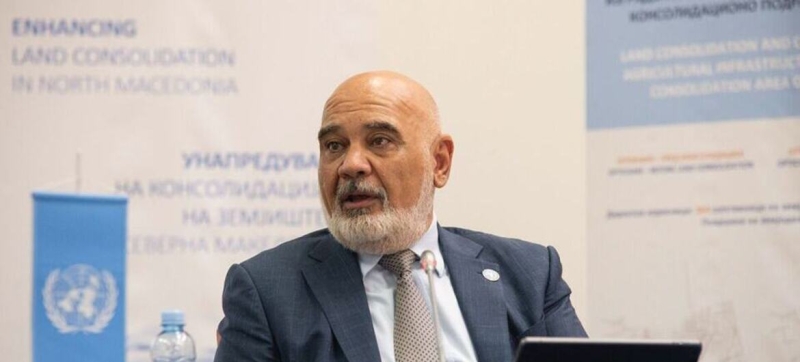
Nabil Gangi, Acting FAO Representative in Turkey.
Work is also being done at the consumer level. Gangi notes the importance of working with supermarkets, retailers, hospitality and consumers to optimize the food preparation process.
Energy Crisis and Food Security
Today, the issue of sustainable consumption is especially acute due to the instability of global markets.
“The whole complex “energy-food” is now under close scrutiny. The war affects not only the cost of oil and gas, but also fertilizers. Fertilizers are a resource for food production, just like energy. All this means that food production may decline. This is why we are in dire need of rationing what we produce becomes food waste,” explains Gangi.
What everyone can do?
He reminded that solving a global problem begins with the personal choice of each person: “Every initiative matters, and every small action important.”
“I would like to remind everyone that reducing waste is something we can all do every day,” says Gangi. – Not just as manufacturers, transporters or retailers, but also as consumers: whether it’s by planning their shopping lists more carefully, storing food properly or supporting businesses that reduce waste. Every time we make a choice like this, we help protect the environment and ensure food ends up on plates and not in trash cans.”