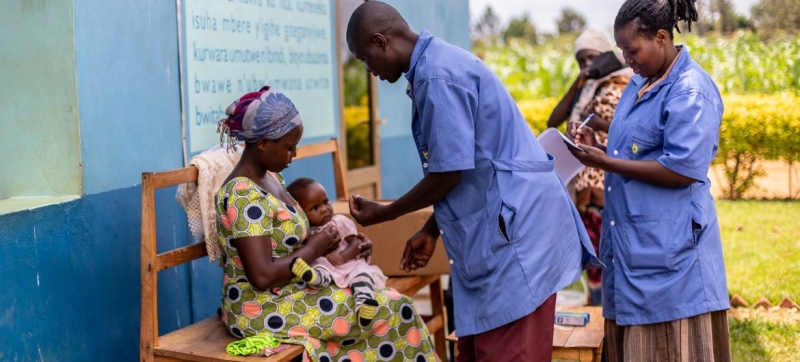

Ninety-five percent of malaria deaths in 2024 occurred in the WHO African Region. Malaria: Innovations have saved millions of lives, but the global threat remains Health
The World Health Organization (WHO) released its annual report on malaria on Thursday, highlighting significant progress in combating the disease thanks to the introduction of new tools, from vaccines to innovative mosquito nets. Experts estimate that in 2024, the world will have prevented about 170 million cases of malaria and at least one million deaths.
Since 2021, when the world’s first malaria vaccine was approved, 24 countries have included it in their national immunization programs. Seasonal chemoprophylaxis has been expanded to cover 54 million children in 2024, up from only 200 thousand in 2012. In addition, WHO has certified 47 countries and one territory as malaria-free. In 2024, they were joined by Cape Verde and Egypt, and in 2025 by Georgia, Suriname and Timor-Leste.
Despite the progress, in 2024 there were 282 million cases of malaria infection and 610 thousand deaths worldwide. Ninety-five percent of deaths occurred in the WHO African Region, with the majority of deaths in children under five years of age. The death rate was 13.8 per 100,000 population, more than three times the global target of 4.5. Drug resistance and genetic mutations WHO warns of increasing parasite resistance to key drugs. Additional challenges include genetic mutations in parasites that reduce the accuracy of rapid tests, resistance to pyrethroids in 48 countries, and the spread of the insecticide-resistant Anopheles stephensi mosquito in nine countries in Africa. Climate change and extreme weather events are fueling new outbreaks, while conflict and instability are disrupting health systems.Funding for malaria control remains critically low, with $3.9 billion allocated in 2024, less than half of the 2025 target. Funding cuts have led to weakened health systems, the cancellation or postponement of routine screenings and an increased risk of supply disruptions.
“New tools give us hope, but we face major challenges,” said WHO Director-General Dr Tedros Adhanom Ghebreyesus. The World Health Organization calls on countries where malaria remains endemic to remain committed to fighting this dangerous disease.
What you need to know about malaria
Malaria is a life-threatening disease that is transmitted to humans by certain species of mosquitoes. This disease occurs mainly in tropical countries.
Infection occurs as a result of a parasite bite. The disease is not transmitted from person to person.
Symptoms of malaria range from mild to life-threatening. Mild symptoms include fever, chills and headache. Severe symptoms include weakness, confusion, seizures, and difficulty breathing.
Infants, children under five years of age, pregnant women, and people with HIV infection or AIDS are at increased risk of severe infection.
Malaria can be prevented by avoiding mosquito bites and also by medicinal methods. Treatment helps stop mild cases of the disease from progressing further.