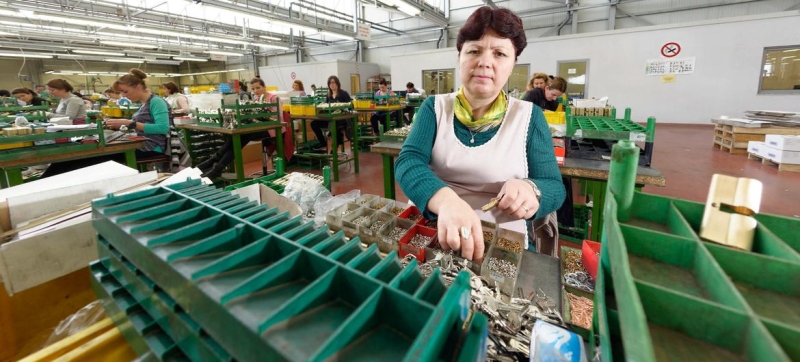

In 2026, economic growth in Europe and Central Asia will decline to 2.1 percent. The World Bank forecasts a slowdown in economic growth in Europe and Central Asia Economic development
Economic growth in Europe and Central Asia will slow significantly due to the impact of conflict in the Middle East, geopolitical tensions and fragmented trade links. This is stated in the review of the economic situation in the region, published today by the World Bank.
Overall, economic growth in the region is expected to slow to 2.1 percent in 2026. Russia’s growth is projected to slow to 0.8 percent, while other economies are likely to slow to 2.9 percent, with soaring energy prices holding back consumption growth and uncertainty affecting investment.
“The region’s resilience continues to be tested as several countries depend on imports of natural gas, oil and fertilizers,” said Antonella Bassani, World Bank Vice President for Europe and Central Asia.
“Efforts will be required in many countries to address the impact of the crisis, with particular attention to targeted measures to protect the most vulnerable. Continued policy reforms aimed at achieving sustainable growth and job creation will also help mitigate the impact of the crisis and strengthen the resilience and dynamism of the economy,” she added.
Growth in Central Asia is expected to slow to an average of 4.9 percent in 2026–27 as Kazakhstan’s oil production stabilizes. In Central Europe, growth is likely to be around 2.4 percent this year, slowing to 2.3 percent in 2027, with weaker consumption partly offset by EU-funded public investment.
The World Bank forecasts that economic growth in the Western Balkans will average 3.1 percent in the coming years, driven by investment in infrastructure and active exports of services.
Ukraine’s economic growth is expected to decline to 1.2 percent this year due to ongoing hostilities, rising energy prices and budget problems.
Conflict in the Middle East remains a key risk factor that could severely limit global energy and fertilizer supplies, which could lead to significant increases in energy and food prices and further stall regional development.
Slowing productivity growth in many countries in Europe and Central Asia over the past decade has prompted some policymakers to complement reforms with industrial policy—government policies aimed at supporting specific sectors, activities or companies.
Experts say countries in the region would benefit from measures that strengthen future competitiveness. For example, nearly two-thirds of all industrial policies currently focus on agriculture and food production, while only 10 percent target high-tech industries or capital goods.
“To achieve stronger productivity and job growth, countries could prioritize bold policy reforms to modernize the business environment, stimulate entrepreneurship, and improve the quality of education,” said a World Bank official. Ivaylo Izvorski.
Industrial policy, experts emphasize, should support new and dynamic companies and private sector ideas, rather than protect incumbents such as state-owned enterprises, and should strengthen rather than undermine competition.