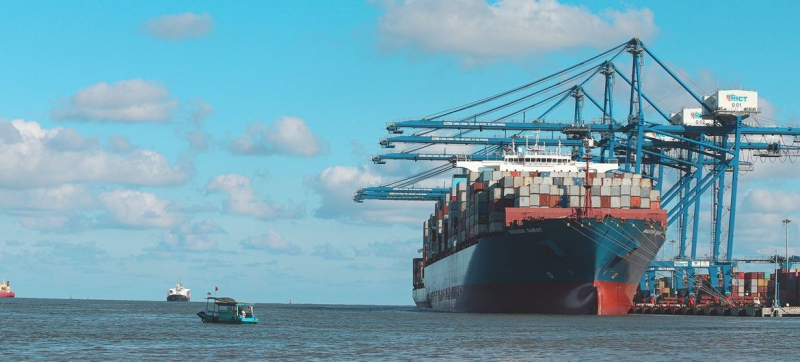

Over 90 percent of global trade is carried out in containers, with more than 860 million units transported annually. WE EXPLAIN | How the UN fights organized crime at borders Peace and Security
Global trade, which the UN describes as “an engine of inclusive economic growth and poverty reduction,” reached a record $33 trillion in 2024. At the heart of this extensive system are sea and air ports – key nodes through which most global trade flows pass.
According to the World Economic Forum, over 90 percent of global trade is carried out in containers, with more than 860 million units shipped annually. Air cargo, which accounts for about 35 percent of global trade by value, is also growing rapidly, up more than 10 percent in 2024 from the previous year.
However, cross-border trade so critical to global economic stability remains vulnerable to organized crime and terrorist groups that use international routes to smuggle weapons, drugs, people and other illicit goods. goods.
This resource explains why effective border controls are critical to the security and sustainability of the global economy, and how the UN helps nations protect trade and travel.
How criminal groups exploit borders
Border crossings quite often become points of entry for illegal goods – from weapons and drugs to counterfeit medicines, cultural property and counterfeit goods. Through them, criminals themselves, including drug traffickers and terrorists, can enter countries.
Criminals hide contraband in containers, in luggage and even on the bodies of carriers. Criminal networks bribe border officials, customs officials and logistics companies to allow illicit cargo to pass undetected. More sophisticated criminals are hacking into port systems or using counterfeit codes to redirect cargo to their desired destinations.
Why This Matters
Countries’ weak border management capabilities and weak cross-border cooperation are creating dangerous holes in trade routes. Criminal networks quickly adapt, join forces with other groups and find new ways to move goods and people, threatening the security of states and consumers.
Effective border controls protect public health by limiting the flow of illicit drugs and preventing the spread of counterfeit medicines. It also increases the legal revenue of states by supporting legitimate trade and depriving criminal networks of financial resources.
A robust control system prevents chemical, biological, radiological and nuclear weapons from falling into the hands of terrorists, and also blocks the smuggling of precursor chemicals used to make drugs and explosives. It also helps prevent illegal wildlife trade and the movement of hazardous waste, reducing pressure on ecosystems and risks to human health.
What the UN Does
The United Nations Office on Drugs and Crime (UNODC), together with the World Customs Organization and Interpol, helps states strengthen control over air, sea and land borders. As part of this effort, 192 national cargo and passenger control units have been established in 89 countries.
These units conduct risk assessments and identify and intercept high-risk passengers, cargo and mail. They provide coordination between origin, transit and destination countries, and work with the private sector to disrupt illicit cross-border flows and criminal networks.