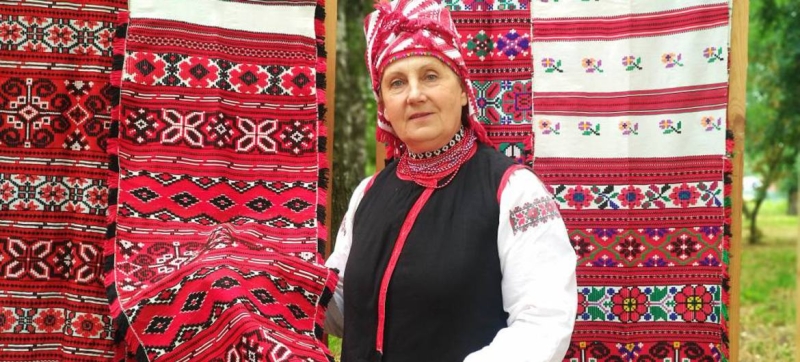

Neglyubka textile tradition is the art of hand weaving and embroidery, which is practiced in the village of Neglyubka, Gomel region of Belarus. The disappearing traditions of Belarus, Georgia and the countries of Central Asia have been added to the UNESCO list of intangible heritage Culture and education
From textile traditions of Belarus and culinary practices of Central Asia to ritual dances in Kenya – UNESCO this year included in its lists dozens of new forms of heritage. The decisions were taken at the 20th session of the Intergovernmental Committee for the Safeguarding of the Intangible Cultural Heritage, which opened on December 8 in New Delhi, India.
Unlike monuments and historical sites, intangible cultural heritage covers crafts, customs, musical and ritual traditions, and social practices that communities pass on from generation to generation. UNESCO emphasizes that the wealth of human traditions is at risk of being lost under the influence of social, economic and environmental challenges.
Heritage in need of urgent protection
This year, traditions from all over the world were added to the List of Intangible Cultural Heritage in Need of Urgent Safeguarding.
These include the Neglyubka textile tradition – the art of hand weaving and embroidery, which is practiced in the village of Neglyubka in the Gomel region of Belarus. There they create unique towels, household items and elements clothing. The tradition is preserved mainly by women, passing on skills within the family, most often from grandmothers and mothers to daughters. Neglyub weaving is an important symbol of local identity and at the same time a factor in economic development, attracting tourists and researchers. However, now the tradition is threatened by a reduction in the number of masters.
The list also includes the practice of making kobyz and playing this musical instrument, common in the Republic of Karakalpakstan autonomy within Uzbekistan. This ancient, two-stringed bow-shaped instrument is handcrafted from local woods, and the strings and bow are made from horsehair. The body is covered with leather and decorated with carvings. Kobyz is not just a musical instrument, but a key element of the cultural heritage of nomads. It is played by zhyrau storytellers, performing epic works using the throat singing technique. Tradition helps strengthen community, transmit historical memory and maintain cultural ties between generations.
In addition, this year’s list included ritual dances in Kenya, the technique of color printing on wooden boards in Vietnam, and the game on clay musical instrument borindo in Pakistan, technique of building houses from clay in Panama, traditional ceramics in Paraguay, production sea salt in Philippines, production Portuguese wooden boats moliseiro, epic singing with lahut in Albania and the traditions of “landships” in Barbados.
Living heritage of the world scale
UNESCO also expanded its Representative list of the intangible cultural heritage of humanity.
So, it includes the traditions of Tajikistan associated with sumanak – a traditional Navruz holiday dish made from sprouted wheat with the addition of butter, flour and walnuts. The process of making it takes up to a day and is accompanied by women singing and dancing, while men maintain the fire and do work that requires physical strength.
Also added to the list are the practices of the Georgian people associated with the cultivation and harvesting of endemic varieties of wheat, traditional bread baking and agricultural rituals. Wheat symbolizes life, prosperity and continuity of generations. These traditions are an important part of Georgian life.
The Kyrgyzstani drink “maksym” with unique methods of its preparation has also been added to the UNESCO list. The thick fermented drink is prepared by frying flour in lamb fat and subsequent fermentation. Its preparation unites families and symbolizes well-being and hospitality.
The list also includes: the ceremonial men’s cloak bisht (Middle East), the Venezuelan genre of horopo, the Bolivian festival of the Virgin of Guadalupe, the Argentine genre of cuarteto, Tangail sari weaving in Bangladesh, miniatures in the style Behzada (Afghanistan), Belgian puppet theater, Belizean Christmas traditions, Bulgarian bagpipes, zaffa wedding processions in Africa and the Middle East and other traditions. formed the cultural identity of peoples. New inclusions help bring attention, resources and support to keep these unique practices alive.