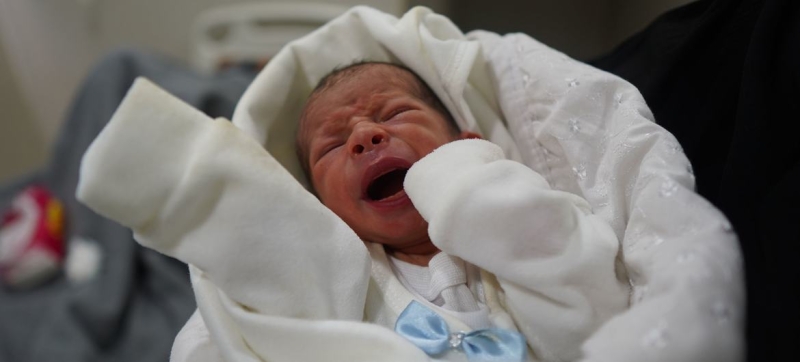

Low birth weight babies are about 20 times more likely to die than normal weight babies. “Domino effect”: how hunger among mothers in Gaza is depriving their children of a chance to live Peace and Security
Mothers forced to go hungry for long periods of time in Gaza give birth to premature or low birth weight babies who die in intensive care units or struggle desperately to survive. The United Nations Children’s Fund (UNICEF) warned about this on Tuesday.
Speaking via video link from the war-torn enclave, UNICEF communications manager Tess Ingram said at least 165 children had died “painful yet preventable deaths” linked to malnutrition.
Another big problem is acute hunger among pregnant and breastfeeding women and the “devastating domino effect” of a lack of healthy nutrition for thousands newborns.
“In hospitals in Gaza, I saw babies that weighed less than one kilogram,” Ingram said. She explained that low birth weight babies die at about 20 times the rate of normal weight babies. In the first half of 2025, this figure rose to 10 percent.
“Low birth weight is usually caused by poor maternal nutrition, increased stress and limited prenatal care,” Ingram said. “In Gaza, we are seeing a combination of all three factors, and the response to the situation is too slow and insufficient.”
The Realities of War
The UNICEF representative added that in October of this year alone, 8,300 pregnant and breastfeeding women were hospitalized in Gaza for treatment of acute malnutrition women.
“This trend suggests that we will continue to see low birth weight babies in Gaza for many months to come,” she said.
The UN responded to the situation by supplying the enclave with incubators, ventilators and other vital equipment destroyed during the conflict.
UNICEF has provided tens of thousands of pregnant and breastfeeding women with high-calorie food supplements to prevent malnutrition. The United Nations Children’s Fund also screens children for acute malnutrition and includes them in treatment programs.
Obstacles to aid delivery
The UN Office for the Coordination of Humanitarian Affairs (OCHA) said there were “continuing obstacles” to aid reaching the most vulnerable people, including security concerns, customs delays and refusals in the passage of goods through checkpoints.
Opening the Rafah border crossing in southern Gaza could increase the flow of humanitarian aid and reduce the number of children suffering from malnutrition, Ingram noted.
“We need all types of aid to flow freely, especially nutritious food through commercial channels,” she added. emphasizing that local markets must be stocked with goods so that prices fall and products such as fruits and vegetables, meat and dairy products become affordable for families.
The UNICEF representative stressed that the two-month ceasefire “should have brought security to families, not more losses.” She recalled that more than 70 children have been killed since the cessation on October 10.
“Entire generations, including those born during the current truce, will forever be traumatized by what they have been through,” Ingram said.