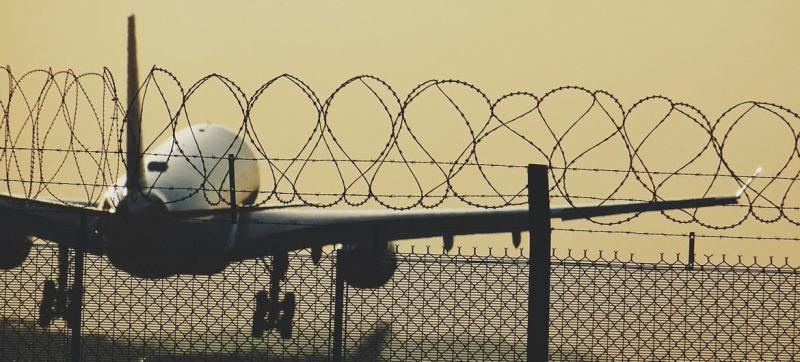

Airplane departure from London Heathrow Airport. Safe skies of the future: the path to aviation without casualties Economic development
“You came here [to UN headquarters in New York] by plane. How safe would you feel boarding your flight if the International Civil Aviation Organization (ICAO) did not exist, responsible for the safety of five billion passengers every year?
Behind every takeoff and landing is a complex system of international cooperation, strict standards and security mechanisms that save the lives of millions of passengers every day and ensure the safe delivery of cargo around the world.
On International Civil Aviation Day, 7 December, ICAO recalls its efforts in this area. According to the organization, global air traffic continues to grow. The number of passengers is expected to increase from 4.6 billion in 2024 to more than 12 billion by 2050.
The increase in the number of flights requires increased attention to safety. In 2024, 296 people died in passenger aviation accidents, up from 72 the year before. Nevertheless, accident rates today are lower than in 2019.
Such results were achieved thanks to many years of work by ICAO, the UN specialized agency for civil aviation. The organization helps countries develop standards in this area and strengthen control over passenger air travel.
Recent ICAO reports highlight strengthening international cooperation and reducing operational risks at all levels.
Strategic Plan 2026–2050 years
ICAO’s Strategic Plan 2026–2050 aims to create an aviation system that is safe and innovative. The main goal of the plan is a world where aviation accidents do not claim a single life. ICAO Secretary General Juan Carlos Salazar called this goal “challenging, but achievable.”