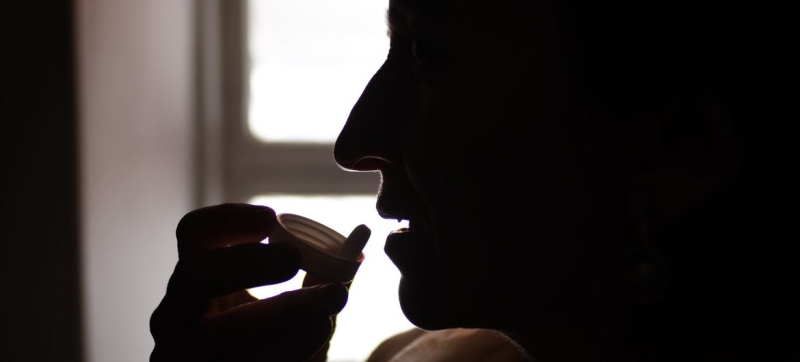

A woman living with HIV takes antiretroviral drugs at home in Tajikistan. Cuts in international aid jeopardize the fight against HIV in Tajikistan Health
A new report from the Joint United Nations Program on HIV/AIDS (UNAIDS) shows how cuts in international funding are eroding support systems for people living with HIV around the world. This is felt especially acutely in Tajikistan.
The story of Takhmina Khaidarova in this context is in many ways indicative. She contracted HIV from her husband, a migrant worker who worked in Russia. After his death, Takhmina was rejected by her own family.
“Before that, I didn’t even know if HIV existed in Tajikistan,” she admits. Today, thanks to the Tajik Network of Women Living with HIV, Takhmina helps others cope with the isolation that she herself experienced. However, the number of such examples may soon disappear.
Recent freezes and cuts in international aid threaten to shut down programs run by community organizations. The Spin-Plus Foundation, which works with people at risk and injecting drug users, is already feeling the consequences. “People who need constant support – social, human, advisory – are left without it,” says the director of the foundation, Pulod Jamolov. Staff reductions and branch closures have become a reality.
Tajikistan, despite economic growth in recent years, is the poorest country in the region: a third of GDP is formed from remittances from labor migrants. About 60 percent of the national HIV response plan is funded by international donors. Until January 2025, 20 percent of these funds came from the US PEPFAR initiative.
Social and structural barriers in Tajikistan exacerbate the situation: a weak health system, restrictive laws, gender inequality and long-entrenched behavioral norms fuel stigma and discrimination. Nearly 97 percent of women living with HIV hide their status even from family members, and 64 percent face discrimination, including from health workers.
Authorities estimate that a reduction in funding for the fight against HIV in Tajikistan by just 10–20 percent could lead to a 135 percent increase in new infections and a five percent increase in deaths, which would reverse decades of progress in the fight against HIV. area.